
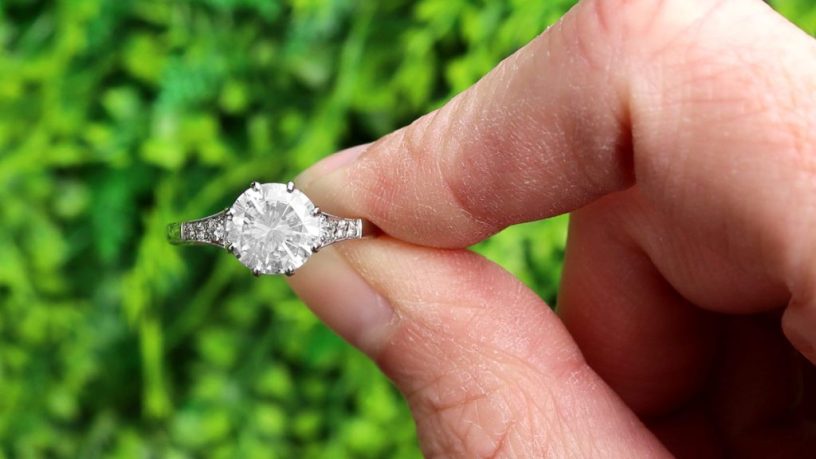
Engagement rings are not just mere pieces of jewelry; they are symbols of love, commitment, and a promise of forever. When it comes to selecting the perfect engagement ring, one size certainly does not fit all—especially when considering the diverse shapes and sizes of hands that will wear them. Understanding how to choose the right ring for different hand shapes can make the selection process smoother and ensure that the ring complements the wearer’s hand beautifully.
The first step in finding the ideal engagement ring is to consider the shape of the wearer’s hand. Hands come in various sizes and proportions, and certain ring styles can accentuate or balance these features. For example, someone with slender fingers might opt for a ring that creates the illusion of length and elegance, such as a pear-shaped or marquise diamond. On the other hand, someone with broader fingers might consider wider bands or cluster settings that provide a balanced look.
For petite hands, delicate and smaller stones tend to be more proportionate and comfortable. A classic solitaire or a petite halo setting can enhance the ring without overwhelming the hand. These styles not only highlight the diamond but also maintain a sense of delicacy and gracefulness.
Conversely, larger hands can carry more substantial ring styles with ease. Bold shapes like emerald cuts or princess cuts can complement the hand’s size and create a striking presence. Wide bands, intricate designs, or multiple stone settings can also add to the overall allure of the ring on larger hands.
The shape of the fingers also plays a crucial role in choosing the right engagement ring. For short fingers, elongated shapes such as oval or marquise diamonds can create the illusion of length, making the fingers appear more slender. Additionally, vertical settings like bypass or tension rings can visually elongate the finger while adding a modern twist to the traditional engagement ring.
Long fingers, on the other hand, have the versatility to carry various styles effectively. They can flaunt bold shapes like cushion cuts or radiant cuts beautifully. Horizontal settings such as east-west settings or wide bands can complement the finger’s length and create a balanced look.
Another consideration is the overall hand shape, including the palm and knuckle proportions. Some hands have prominent knuckles that might benefit from designs that draw attention away from them, such as bezel settings or intricate detailing on the band. Others may have a more tapered appearance, where the ring should enhance the natural flow from the palm to the fingertip.
Beyond the physical attributes of the hand, personal style and lifestyle should also influence the choice of an engagement ring. A ring that reflects the wearer’s personality and aligns with their daily activities will not only be cherished but also worn comfortably for years to come. Whether it’s a vintage-inspired ring with intricate filigree details or a sleek modern design with clean lines, the ring should resonate with the wearer’s preferences and lifestyle.
Ultimately, choosing the perfect engagement ring for different hand shapes is about finding harmony between the ring’s design and the wearer’s unique attributes. By considering factors like hand size, finger shape, and personal style, couples can ensure that the ring not only fits perfectly but also symbolizes their commitment in a way that feels authentic and meaningful. As you embark on this journey to find the ideal engagement ring, remember that the right fit goes beyond size—it’s about finding a ring that speaks to your heart and celebrates your love story in a way that feels perfectly you.
 Everydayz Health Blog